Religion Gods and Goddesses The Mayans believed in a polytheistic religion, which consisted of approximately 150 Gods and Goddesses. Among those worshiped were four primary Gods: Hanab Ku, the supreme God; Itzamna, the supreme being of the earth and sky; Ixchel, mother of all gods and Chac, the rain god. Other gods and goddesses worshiped were believed to have control over different aspects of Mayan life, ranging from control over daily life to control over the supernatural. Mayan gods were seen as unpredictable and could either help or hinder humans. Mayan kings and queens were viewed as liaisons between the people and the Gods. They were also seen as semi-divine beings, which is one contributing reason as to why they have extravagant tombs and burials. The Mayans believed in the afterlife, which consisted of both heaven and the underworld. They believed that the afterlife incorporated two aspects: heaven and a voyage in the afterlife which was considered to be dangerous and populated by sinister gods. Most Mayan rulers and people were thought to have gone to the underworld, while heaven was reserved for those who died in sacrifice or childbirth. Priests were highly respected and were entrusted to interpret the will of the gods or find ways to please them. Often, this meant performing a variety of ceremonies, rituals and sacrifices which were held at different point in the year and especially at times of disasters. These ceremonies and rituals were seen as ways to honor their gods, especially those who controlled the Mayan harvest. People would gather in the main cities and would offer prayers, chants, dances and even sacrifices of animals such as jaguars, dogs and turtles, as well as human sacrifices. Human sacrifices were seen as especially pivotal as human blood was believed to have extreme importance in appeasing the gods. Sacrificial victims included: orphans, slaves, captured enemy warriors and prisoners. Victims would be sacrificed on top of Mayan pyramids, such as Chichen Itza, where their hearts would be cut out with an obsidian blade, and their blood was used to anoint idols of the gods. Calendar The Mayan religious calendar was called Tzolkin, and spanned a time of 260 days. It was based around two different cycles that had periods of length ranging from 13 and 20 days. The cycle that comprised of 20 days had a fixed sequence with names for each days. |  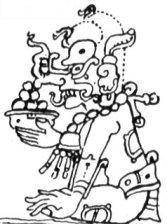 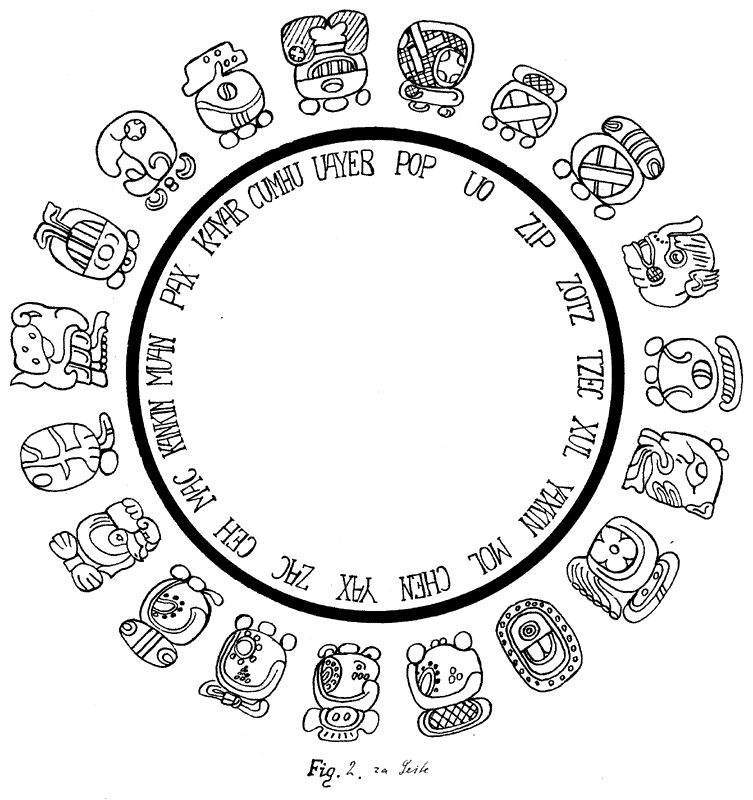 |
