Historical Overview There is very little written material on the Mayan civilization as the Spanish destroyed many of their historical documents. Currently, there are only three Mayan city-states known to have survived the destruction inflicted by the Spanish. Pre Classical Period Mayan cities first began to emerge in the highlands of Guatemala during the Pre Classical Period. Each Mayan city formed an independent city state. The first significant building was built in 100 BCE. Over the next three hundred years some Mayan city states grew into large cities containing temples, palaces, houses and plazas. During this time, communities grew in size. Each city state depended on an economy that was based on agriculture and trade with corn as a staple food. The Classical Period In a short time, about 80 Mayan centres were constructed and dozens more were built in the northern region, signifying the beginning of the classical period. It was also called the Golden Age. Civilization first flourished in the Peten area of Guatemala and areas in Belize. The classical period can be divided into three time intervals: the first, the second and the third. During the first interval, the amount of buildings increased and earlier temple-pyramids were replaced with larger and grander ones. The number of stelae, free standing stone monuments covered with hieroglyphics which told important stories, increased. Ceramics became a popular art form. The second interval was marked by a new elegance of art. Palenque became a city of refinement. The third Interval was a time of rapid decline in artistic and intellectual activity. No building occurred and some buildings were left half-finished and by the end of the period, cites were abandoned. Few Mayans remained in the area and it is a great mystery as to why this happened. Some reasons are because the peasants revolted, drought, overpopulation or invaders. Peasants were fed up with the ruling class and stopped producing food for the nobility. This caused the Mayan centres to be abandoned. Drought led to crop failure, malnutrition, disease, and an increased death rate. The increase in population made it more difficult to grow enough food to sustain the growing numbers. In response to this, the Mayans had to disperse in an attempt to increase the food supply. Invaders from the North may have been responsible for the increasing Mexican influence on the Mayan culture. Though this is not the sole influence of the collapse of the Mayan civilization, it may have hastened it. The Post Classical Period Mayan culture continued in the Yucatan Peninsula after the collapse of the classical period while important centres such as Chichen Itza and Uxmal, developed. The Period of Decline This time is very confusing and little is known about it. Most accounts come from Spanish. Mayapan seemed to dominate the Yucatan until 1441. Its control was marked by effective government, but it was harsh and abusive. Eventually the Mayapan were attacked and destroyed. After that, the Yucatan was divided into 16 warring kingdoms which resulted in social upheaval. During 1250-1500 the Mexicana were invading the Yucatan in increasing numbers can causing additional upheaval. Contacts with this new cultural group appear to have changed many aspects of the blended Toltec/Mayan culture. The Spanish Conquest In 1519 Spanish conquistador Hernando Cortez reached the island of Cozumel. The Spanish swiftly defeated the Honduran and Guatemalan regions and had control by 1524. The conquest of the Yucatan Peninsula was the most difficult for them. Although Spanish horses and weapons were hard for Mayans to overcome, the Spanish faced hardships which slowed their victories. They were unfamiliar with territory and faced thriving population skilled in warfare. The Mayan used guerrilla and siege tactics so it took them untill 1546 to capture. The Spanish were aided in their conquest by European diseases like smallpox, measles and influenza which Mayan had no immunity to. The Spanish treated them cruelly even thought in theory they were required to treat the Mayan humanely. They turned the Mayans into slaves. When the Spanish conquest was complete the Mayans did not disappear. Today there are more than 3 million Mayans that live in northern Yucatan, highland Guatamela, Belize, Honduras, and El Salvador. They follow a similar life to their ancestors. For example, they cultivate corn as their staple crop and live together in extended families in village compounds surrounded by stone walls. |  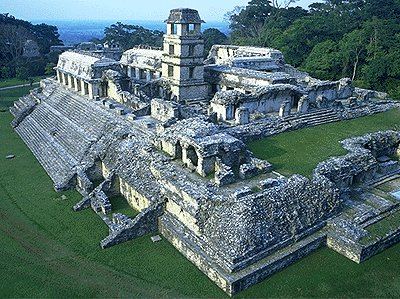 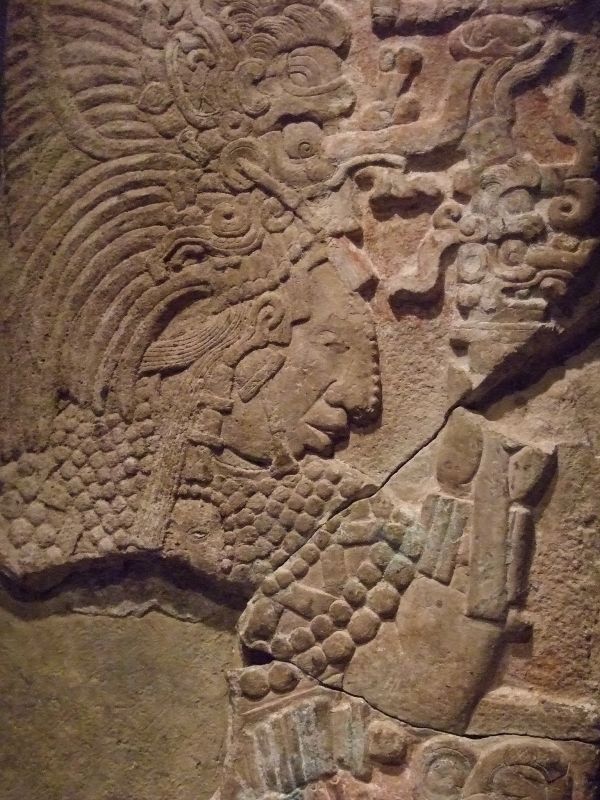 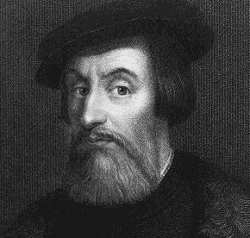 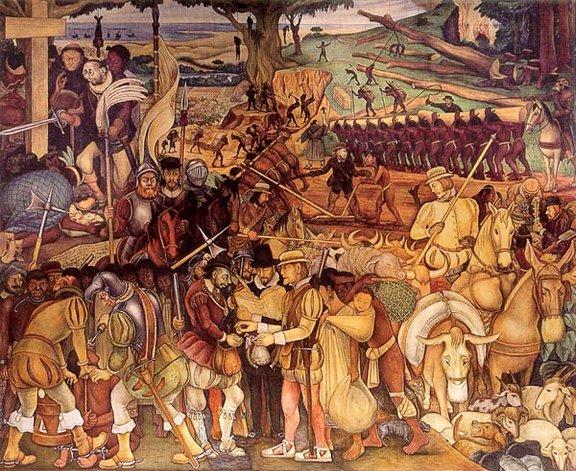 |
